Skip to product information
1 of 2

Burari

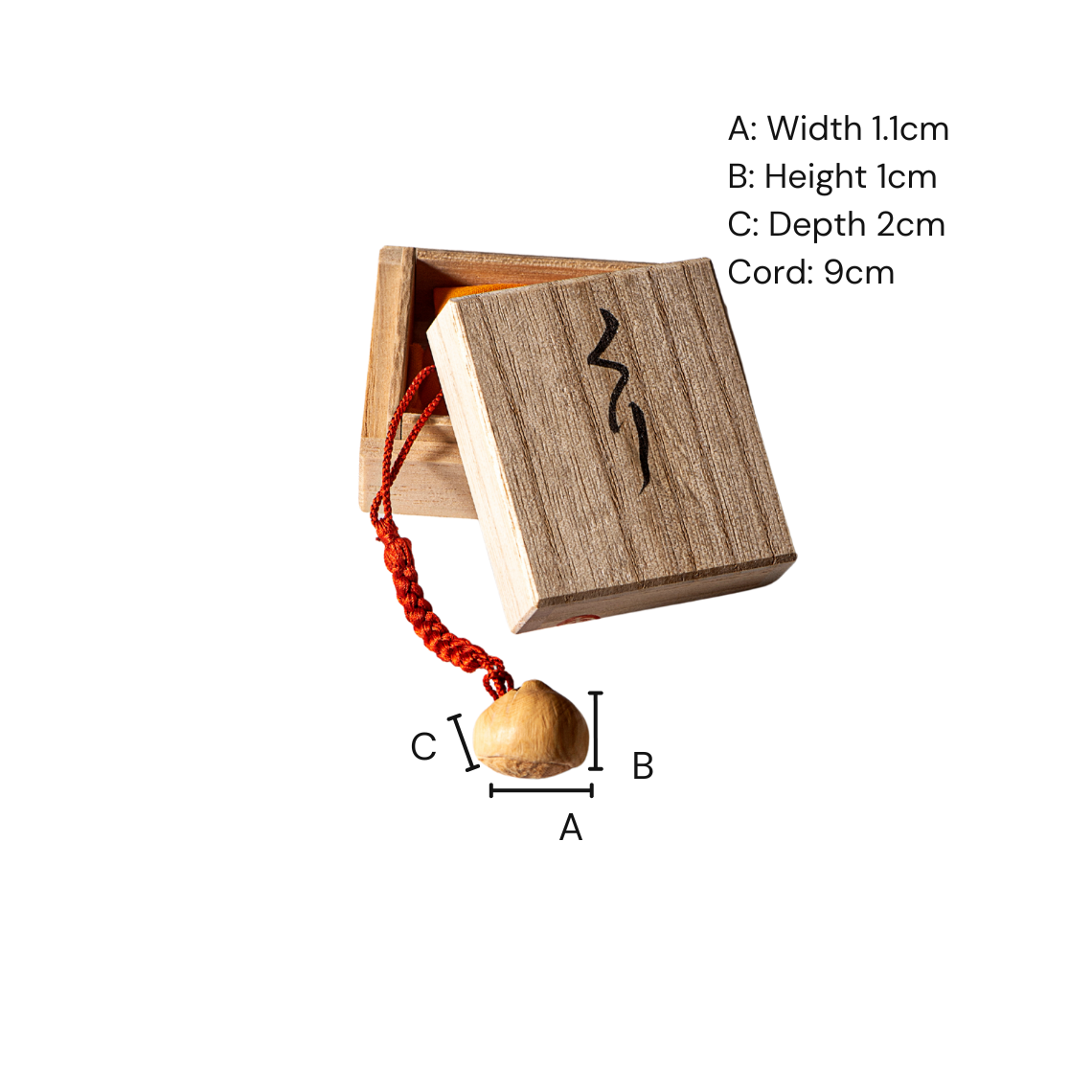
Chestnut

Chestnut

くり

Acorns (donguri) are often called “gifts of the coppice forest.” The word donguri is said to derive from dan (round), meaning “round chestnut.” In Japan alone, there are said to be as many as 22 native species, producing acorns in a wide variety of shapes. Acorns serve as an important food source for forest animals such as squirrels and wild boar, and once they fall and decompose, they become nutrient-rich leaf mold, supporting the forest’s rich ecosystem as a whole. Because a small acorn eventually grows into a great tree, it is also regarded as a symbol of perseverance and success.

Worldwide free shipping applies to Netsuke & Burari only.

*Customs duties are borne by the customer.
Click here for details on customs duties.

*Please note that purchased items cannot be returned.
Click here for details on returns.

Regular price ¥30,000 JPY
Regular price Sale price ¥30,000 JPY
Sale Sold out
Shipping calculated at checkout.
Quantity

Details

Material Boxwood
Country of origin MADE IN JAPAN
Width
1.1cm (0.4inch)
Height
1cm (0.4inch)
Depth 2cm (0.8inch)
Weight 4g
View full details

Story

Designed as a “Burari,” it can be used daily as a key holder or charm. Each piece is carefully handmade using traditional ivory carving techniques. Though small in size, it serves as a protective amulet imbued with wishes for a long and prosperous future. It also makes a thoughtful gift for someone special.

Artist

Akira Kuroiwa

黒岩 明

Born in Tokyo in 1949, the artist initially worked as a jewelry designer before beginning netsuke carving in 1992. Coming to netsuke from outside the traditional family-based apprenticeship system of ivory carving, they approached the art form with a free and independent perspective. By incorporating metalworking and lacquer techniques into netsuke sculpture, the artist established a distinctive style. They also experimented with new materials, bringing a rich sense of ornamentation and contemporary expression to the world of netsuke.